

Interior design is more than just decorating a room; it’s about creating a space that reflects your personality, meets your needs, and makes you feel at home. Whether you’re moving into a new house or looking to refresh your current space, understanding the basics of interior design can help you achieve a stylish and functional home. In this blog post, we’ll explore essential tips and tricks to help you transform your space with confidence and creativity.

Understanding Your Space
Before you start choosing paint colors and furniture, it’s crucial to understand your space. Each room has its own unique characteristics, and recognizing these can help you make informed design decisions.
Assess the Room’s Function
Consider how you intend to use the space. Is it a living room where you’ll entertain guests, a bedroom for relaxation, or a home office for productivity? Understanding the primary function of the room will guide your choices in layout, furniture, and decor.
Measure Your Space
Take accurate measurements of your room, including the dimensions of walls, windows, doors, and any architectural features. This information is essential for selecting appropriately sized furniture and planning your layout effectively.
Identify Natural Light Sources
Natural light can significantly impact the look and feel of a room. Identify the sources of natural light and consider how they change throughout the day. This will help you decide on window treatments, lighting fixtures, and the overall color scheme.

Choosing a Color Palette
Color is a powerful tool in interior design, capable of transforming the mood and atmosphere of a space. Choosing the right color palette is one of the most important steps in designing a room.
Start with a Base Color
Begin by selecting a base color that will serve as the foundation of your color scheme. This could be a neutral shade like white, beige, or gray, or a bolder hue if you’re feeling adventurous. Your base color will typically be used for larger elements like walls, floors, and major pieces of furniture.
Add Complementary Colors
Once you have your base color, choose one or two complementary colors to add depth and interest. These can be used for accent walls, smaller pieces of furniture, and decor items. Complementary colors should enhance your base color without overwhelming it.
Use Accent Colors for Pop
Finally, select a few accent colors to add pops of interest throughout the room. Accent colors can be bold and vibrant, used sparingly in accessories like pillows, artwork, and rugs. These colors should stand out and create visual interest.

Selecting Furniture
Furniture plays a crucial role in both the functionality and aesthetic of your space. Choosing the right pieces can make your room more comfortable and visually appealing.
Consider Scale and Proportion
When selecting furniture, consider the scale and proportion of each piece in relation to the room. Oversized furniture can make a small room feel cramped, while too-small pieces can make a large room feel sparse. Aim for a balanced look that fits the dimensions of your space.
Prioritize Comfort and Functionality
While style is important, comfort and functionality should be your top priorities. Choose furniture that meets your needs and suits your lifestyle. For example, if you enjoy hosting gatherings, opt for a spacious sofa and ample seating. If you work from home, invest in a comfortable and ergonomic desk chair.
Mix and Match Styles
Don’t be afraid to mix and match different styles of furniture to create a unique and personalized look. Combining modern and vintage pieces, or blending different textures and materials, can add character and interest to your space.

Lighting Matters
Lighting is a critical aspect of interior design that can dramatically alter the ambiance of a room. A well-lit room is not only functional but also inviting and aesthetically pleasing.
Layer Your Lighting
Layered lighting involves using different types of lighting to create a balanced and versatile space. There are three main types of lighting to consider:
-
Ambient Lighting: This is the primary source of light in a room, typically provided by ceiling fixtures or recessed lights. It should provide overall illumination.
-
Task Lighting: Task lighting is focused light used for specific activities like reading, cooking, or working. Examples include desk lamps, under-cabinet lighting, and pendant lights.
-
Accent Lighting: Accent lighting adds drama and highlights specific features in a room, such as artwork, architectural elements, or plants. Wall sconces, track lighting, and spotlights are common examples.
Choose the Right Bulbs
The type of light bulb you choose can affect the color and quality of light in your room. LED bulbs are energy-efficient and come in a range of color temperatures. Warm white bulbs (2700K-3000K) create a cozy, inviting atmosphere, while cool white bulbs (3500K-4100K) are better for task-oriented areas like kitchens and bathrooms.
Use Dimmers
Installing dimmer switches is an excellent way to control the mood and flexibility of your lighting. Dimmers allow you to adjust the brightness to suit different activities and times of day, making your space more adaptable.

Adding Personal Touches
Personal touches are what make your space uniquely yours. They reflect your personality, interests, and experiences, adding warmth and character to your home.
Display Personal Collections
Showcase your personal collections, whether they are books, travel souvenirs, or vintage finds. These items tell a story about who you are and create a conversation piece for guests.
Incorporate Art and Photography
Art and photography can significantly enhance the visual appeal of a room. Choose pieces that resonate with you and complement your color scheme. Create a gallery wall for a dramatic effect, or place a large statement piece above a sofa or bed.
Use Textiles for Texture
Textiles like rugs, curtains, pillows, and throws add texture and warmth to your space. Mix and match different fabrics and patterns to create a layered, inviting look. For example, pair a velvet sofa with a chunky knit throw and silk cushions.
Add Greenery
Plants are a wonderful way to bring life and freshness into your home. They purify the air, add color, and create a calming environment. Choose plants that suit your space and lifestyle, whether it’s low-maintenance succulents or larger, more dramatic foliage.

Image Source: Katie Hodges Design
Creating Functional Layouts
A well-thought-out layout is essential for a functional and comfortable space. How you arrange your furniture and decor can impact the flow and usability of a room.
Define Zones
In open-plan spaces, define different zones for various activities. Use rugs, furniture arrangements, or room dividers to create distinct areas for living, dining, and working. This helps to organize the space and make it more functional.
Ensure Good Flow
Arrange furniture to ensure a smooth flow of movement throughout the room. Avoid blocking pathways and make sure there is enough space to move around comfortably. In living rooms, arrange seating to encourage conversation, and in bedrooms, ensure easy access to the bed and storage areas.
Use Multifunctional Furniture
In smaller spaces, multifunctional furniture can be a lifesaver. Look for pieces that serve multiple purposes, such as a sofa bed, an ottoman with storage, or a dining table that doubles as a desk. This helps to maximize the use of your space without compromising on style or comfort.
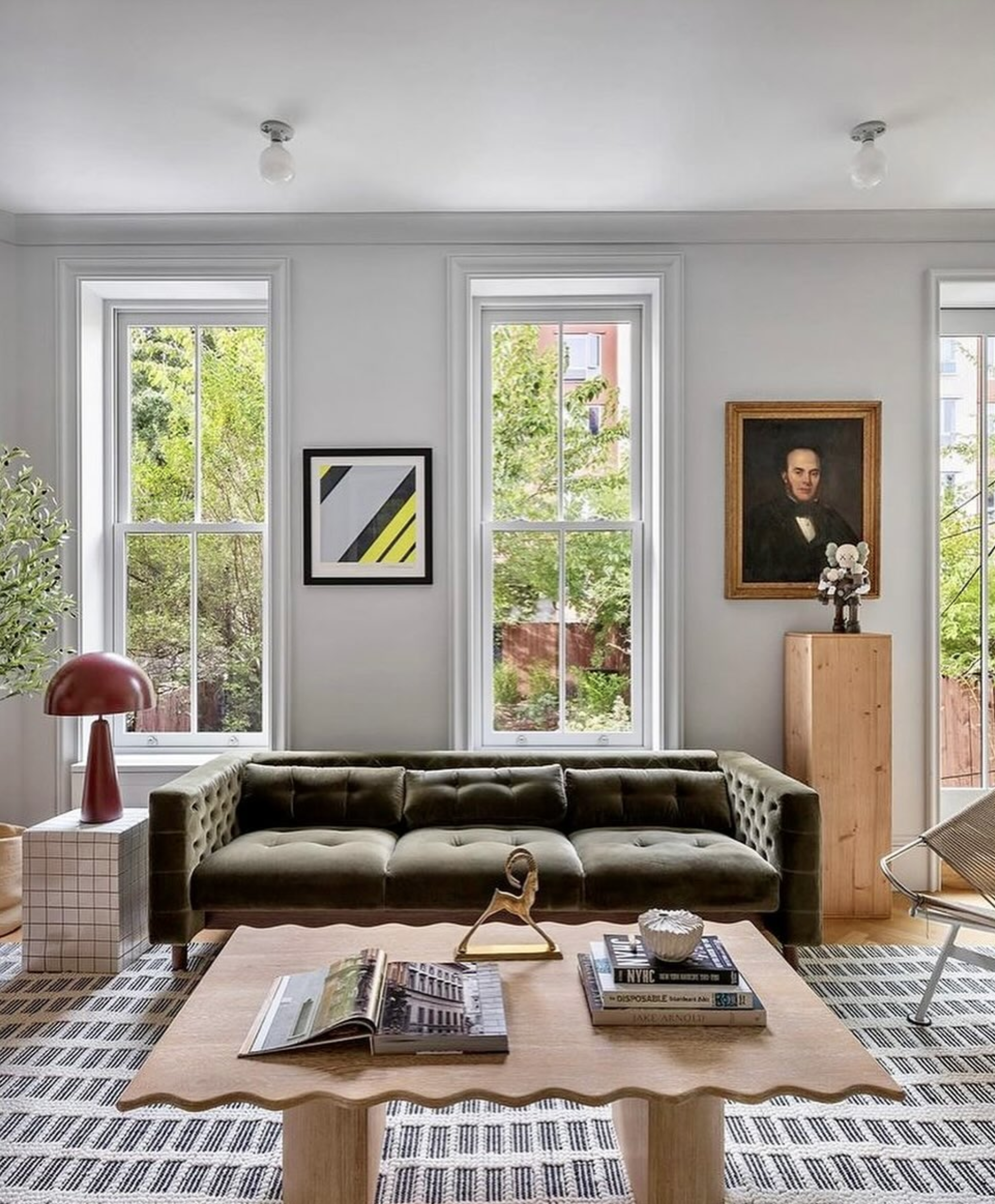
Image Source: Staged to Sell
Staying True to Your Style
While trends can provide inspiration, it’s important to stay true to your personal style. Your home should reflect your tastes and preferences, making it a place where you feel comfortable and happy.
Identify Your Style
Take some time to identify your style. Do you prefer modern, minimalist designs, or are you drawn to eclectic, bohemian looks? Browse magazines, websites, and social media for inspiration, and create a mood board to help visualize your ideas.
Mix Trends with Timeless Pieces
Incorporate trends in a way that complements your existing style. Mix trendy items with timeless pieces to create a balanced look that won’t go out of fashion quickly. For example, pair a trendy color or pattern with classic furniture and decor.
Trust Your Instincts
Ultimately, trust your instincts when it comes to designing your home. If something feels right to you, it will likely make your space more personal and inviting. Don’t be afraid to take risks and experiment with different ideas.
Interior design is a rewarding journey that allows you to create a space that truly reflects who you are. By understanding your space, choosing a cohesive color palette, selecting the right furniture, and adding personal touches, you can transform any room into a stylish and functional haven. Remember to stay true to your style, have fun with the process, and create a home that brings you joy and comfort. Happy designing!
Talk to you later, friends!

PS Do you have a space you have designed? Share a photo with us! Tag us @thenestedmethod
Is your SPACE ready for a CHANGE?
The Nested Method is here to help. We will put methods in place to keep your home or business organized, looking beautiful, and most importantly functional for your lifestyle.


0 Comments